Red carpet dressing in 2026 is no longer satisfied with surface-level glamour. The year’s most compelling appearances are built around narrative, transforming premieres, galas, and first public outings into extensions of the work itself. The result is a more deliberate form of celebrity fashion style, where every silhouette, archival reference, and thematic detail contributes to a larger visual language.
At the center of the movement are Zendaya and stylist Law Roach, whose collaborations continue to establish method dressing as one of the defining forces in modern celebrity image-making. Their approach treats the red carpet as a stage: clothing reflects a character, mirrors a project’s atmosphere, or revisits fashion history with a new sense of relevance.
Across 2026, that strategy is expanding beyond one star or stylist. Structured tailoring, powerful proportions, reworked classics, and couture with a clear point of view are shaping the season’s most memorable arrivals.
Method Dressing Becomes the Red Carpet Standard
Method dressing is built on a simple but influential premise: the outfit should belong to the story. A film premiere is no longer only a promotional stop. It becomes an opportunity to build a complete visual world around the project, with fashion functioning as character development, symbolism, and cultural conversation.
Zendaya remains the movement’s clearest modern figure. With Law Roach, she has turned archival fashion, cinematic references, and carefully selected motifs into a recognizable red carpet vocabulary. The clothes often do more than complement a film. They reveal its mood before the audience enters the theater.
The strategy also reflects a wider change in celebrity fashion style. Global audiences now follow a premiere wardrobe as closely as the film itself, analyzing designers, styling credits, historical references, and the relationship between clothing and character. Red carpet dressing has become a form of visual storytelling with an immediate digital afterlife.
The 2026 Met Gala makes that shift especially clear. With the theme “Costume Art” and the dress code “Fashion Is Art,” the event positions clothing as sculpture, performance, and cultural artifact. The evening’s coverage, including ABC News’ roundup of the 2026 red carpet, captures a fashion landscape moving decisively away from generic glamour and toward concept-driven presentation.
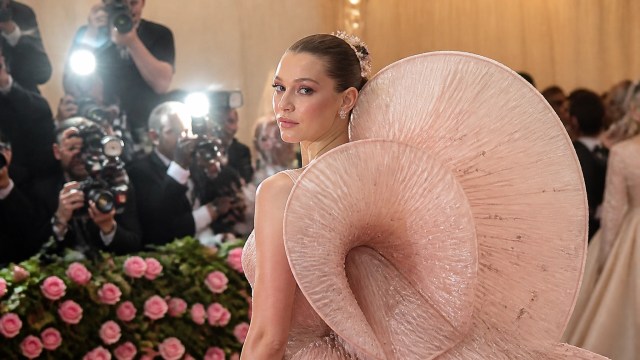
Kaia Gerber’s Couture LBD Makes Minimalism Feel Intentional
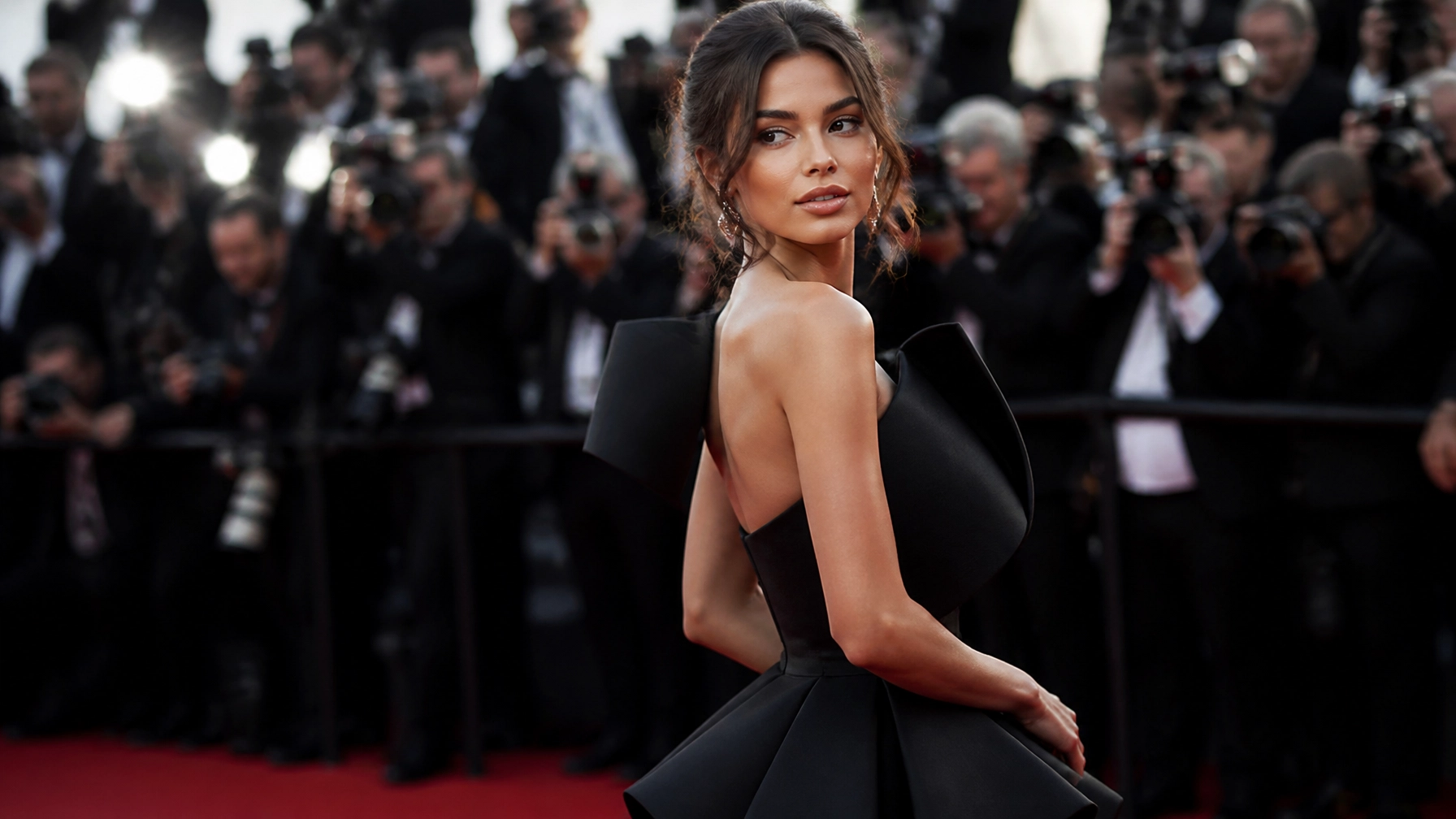
Kaia Gerber brings a more restrained interpretation of the movement to The Shards premiere. Her couture LBD is sharply controlled, relying on a precise silhouette and an uncluttered finish rather than excessive decoration. The effect is minimalist, but not quiet. Its impact comes from proportion, construction, and the confidence of leaving space around the look.
That balance has become central to Kaia’s red carpet presence. Her strongest appearances often use a clean column, a narrow line, or a classic black foundation to create an image that feels timeless without appearing disconnected from the moment. At The Shards, the approach translates the project’s darker, more cerebral atmosphere into a polished fashion statement.
The look also demonstrates how reworked classics are returning to the center of celebrity fashion style. The little black dress is not disappearing; it is being refined through couture construction, architectural tailoring, and stronger styling choices. The result is a familiar idea presented with renewed authority.
The Shards premiere coverage reinforces the importance of restraint in a season dominated by spectacle. A look does not need to be maximal to feel significant. Sometimes the strongest statement arrives through precision…
Poorna Jagannathan Translates Character Into Power Dressing
Poorna Jagannathan gives method dressing a more direct, character-driven interpretation at the Los Angeles premiere of Lanterns. Her emerald Mugler suit brings the Green Lantern universe into the look without relying on costume in the conventional sense.
The color establishes the connection immediately, while Mugler’s structured shoulders, cinched waist, and commanding lines create a visual language of authority. The silhouette feels powerful and deliberate, echoing the strength associated with the project while preserving the polish of a high-fashion appearance.
The look is significant because it shows how superhero dressing is evolving. Instead of reproducing a logo or literal costume detail, celebrity styling is translating the emotional identity of a character into shape, color, and attitude. The result is more sophisticated and more wearable, while still rewarding viewers who understand the reference.
With sharp tailoring and restrained accessories, Jagannathan’s Mugler moment bridges performance and fashion journalism. It suggests that the future of promotional dressing belongs to clothes that carry meaning without explaining every detail.
Bella Ramsey’s Pearl-Covered Tuxedo Challenges Traditional Formalwear
Bella Ramsey’s first Met Gala appearance introduces another important 2026 development: formalwear is becoming more fluid, tactile, and unexpected. The pearl-covered tuxedo replaces traditional eveningwear codes with something both elegant and disruptive, bringing a luminous surface to a traditionally masculine foundation.
The choice is powerful because the tuxedo remains instantly recognizable even as its materials transform. Pearls shift the garment away from conventional suiting and toward ornament, craft, and ceremonial dress. The result is not a rejection of tailoring but an expansion of what tailoring can represent.
That tension between structure and softness appears throughout the year’s red carpets. Structured shoulders, fitted jackets, and sharp trousers continue to signal confidence, while embellishment, transparency, and jewelry-like surfaces introduce vulnerability and movement. Bella’s look belongs to that evolving conversation, where formalwear is no longer defined by rigid categories.
The arrival also carries broader significance for inclusivity in fashion. A young actor making a debut in a pearl-encrusted tuxedo reflects a red carpet increasingly open to self-definition, nontraditional glamour, and gender-fluid style codes. The look feels ceremonial, modern, and entirely connected to the art-driven spirit of the 2026 Met Gala.
Charlize Theron Turns Louis Vuitton Into Modern Myth
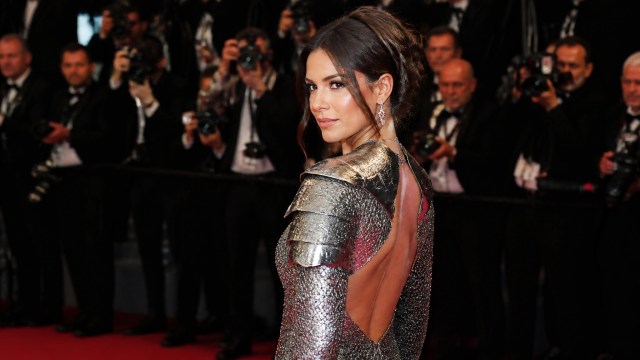
Charlize Theron’s Louis Vuitton appearance at The Odyssey premiere in Beijing brings the year’s cinematic instincts into full view. The look uses a dramatic metallic finish and a fluid, armor-like construction to suggest mythology, strength, and movement.
Rather than presenting a literal interpretation of the film, the ensemble captures its scale. The shimmering surface recalls chainmail and liquid metal, while the dark foundation gives the look a grounded, almost warrior-like quality. It is theatrical without losing control, allowing Theron’s presence to remain central.
The styling reflects a broader shift in luxury fashion. Houses are increasingly using the red carpet to express a complete world rather than simply display a recognizable logo. Louis Vuitton’s contribution reads as both couture spectacle and character-adjacent storytelling, giving the premiere an atmosphere that extends beyond the traditional photo call.
Coverage of Theron’s Louis Vuitton premiere look identifies the chain dress as a defining moment of the press tour. It is a particularly strong example of how celebrity fashion style can bridge heritage craftsmanship, cinematic fantasy, and contemporary red carpet impact.
Florence Pugh and Zendaya Make Coordinated Couture Feel Modern
At the London premiere of Spider-Man, Florence Pugh and Zendaya bring coordination back into the spotlight, but with a couture-level perspective. Their looks work together through shared visual cues rather than identical styling, creating a polished dialogue between two distinct celebrity identities.
This approach avoids the overly literal matching that once defined coordinated red carpet dressing. Instead, the connection appears through silhouette, color, texture, or proportion. Each look remains individual while contributing to a unified premiere image.
Zendaya’s involvement carries particular weight because her method-dressing collaborations with Law Roach have made thematic styling a mainstream expectation. Florence Pugh adds a contrasting energy, favoring expressive shapes and confident femininity. Together, the pair demonstrate how coordinated couture can feel narrative-driven rather than manufactured.
Their appearance also reflects the increasing importance of group dressing at major premieres. Cast members are no longer styled in isolation. A shared visual language can reinforce the scale of a film, create stronger editorial images, and turn a carpet into a collective fashion statement…
Dua Lipa and Callum Turner Establish the Newlywed Style Duo
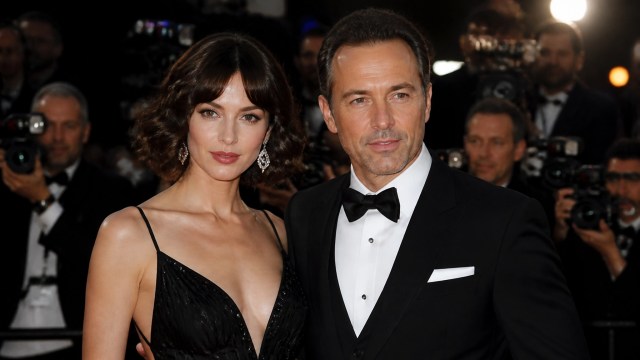
Dua Lipa and Callum Turner’s first red-carpet appearance as husband and wife introduces a more intimate form of celebrity fashion style. At the One Night Only premiere, Lipa wears a sleek black Ferragamo gown while Turner chooses classic Louis Vuitton tailoring.
The pair do not coordinate through matching colors or identical references. Instead, their looks complement one another through contrast: Lipa’s dramatic Hollywood glamour beside Turner’s composed, traditional suiting. The effect feels confident and modern, presenting them as a couple without sacrificing individual identity.
That distinction matters. In an era of highly managed celebrity imagery, the most effective couple dressing often appears less synchronized and more considered. Their silhouettes share polish, but each person retains a clear fashion point of view.
Vogue’s coverage of their red-carpet debut positions the appearance as a new chapter for the couple and a template for contemporary date-night dressing. The image is polished without feeling over-designed, reinforcing the season’s larger movement toward clothes that communicate status through intention rather than excess.
The 2026 Red Carpet Is Dressing for the Story
From Zendaya and Law Roach’s archival references to Bella Ramsey’s pearl-covered tuxedo, the strongest red carpet looks of 2026 share a clear quality: they are designed to be read.
Color carries character. Tailoring signals power. Couture creates atmosphere. Reworked classics establish continuity while unexpected materials introduce change. Even the most minimal appearance now suggests a larger point of view.
That is why method dressing has moved beyond a niche styling strategy. It reflects how audiences engage with celebrity, fashion, and entertainment at once. A premiere look can operate as publicity, performance, brand communication, and cultural commentary in a single image.
The year’s defining arrivals reveal an industry moving toward greater intention. Celebrity fashion style is not simply about who wore what. It is about how clothing builds context, extends a narrative, and makes a public appearance feel like an event in its own right.
For more runway, celebrity, and industry coverage, explore Runway Fashion Collective’s celebrity channel, style coverage, and latest fashion news.