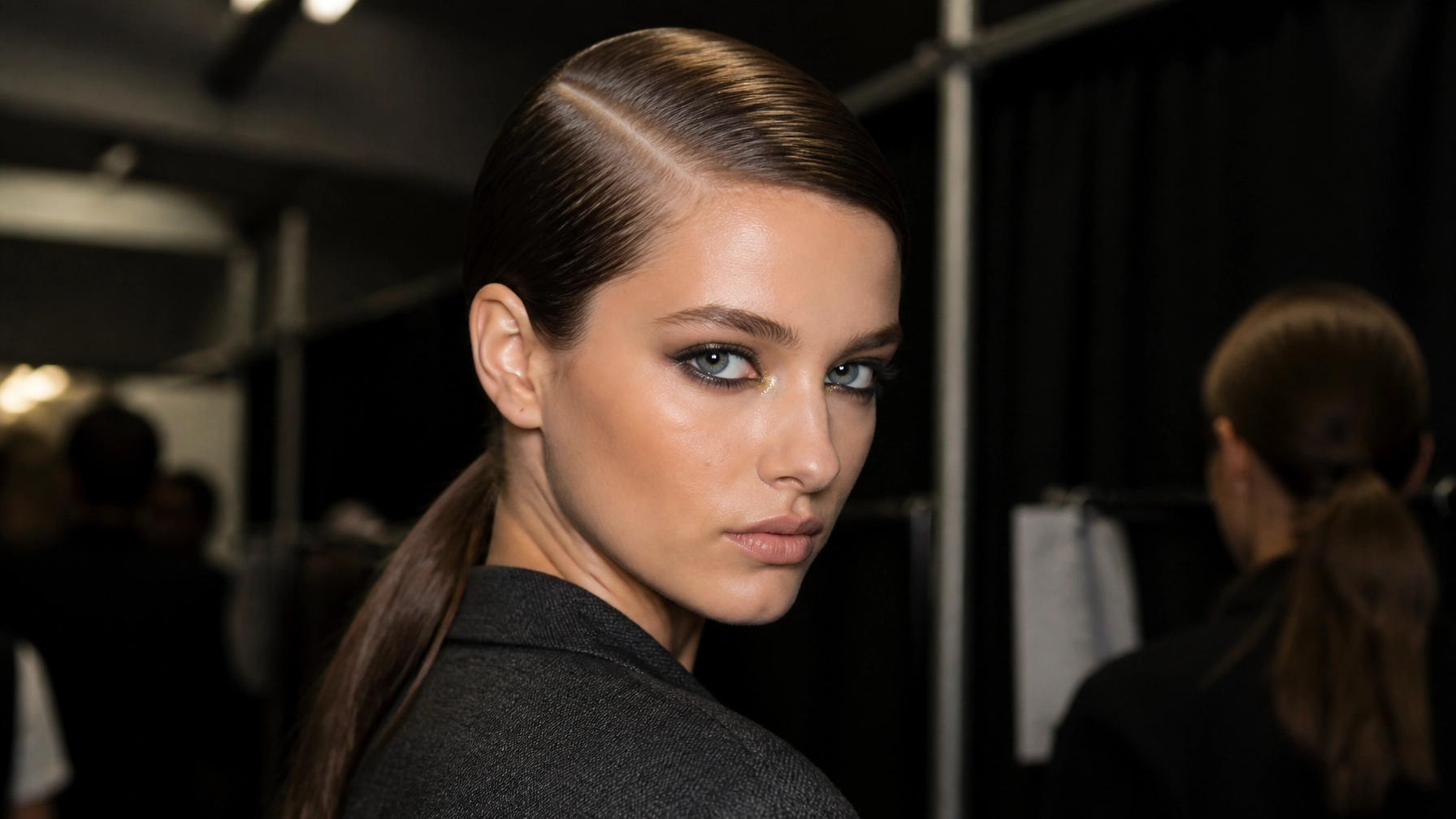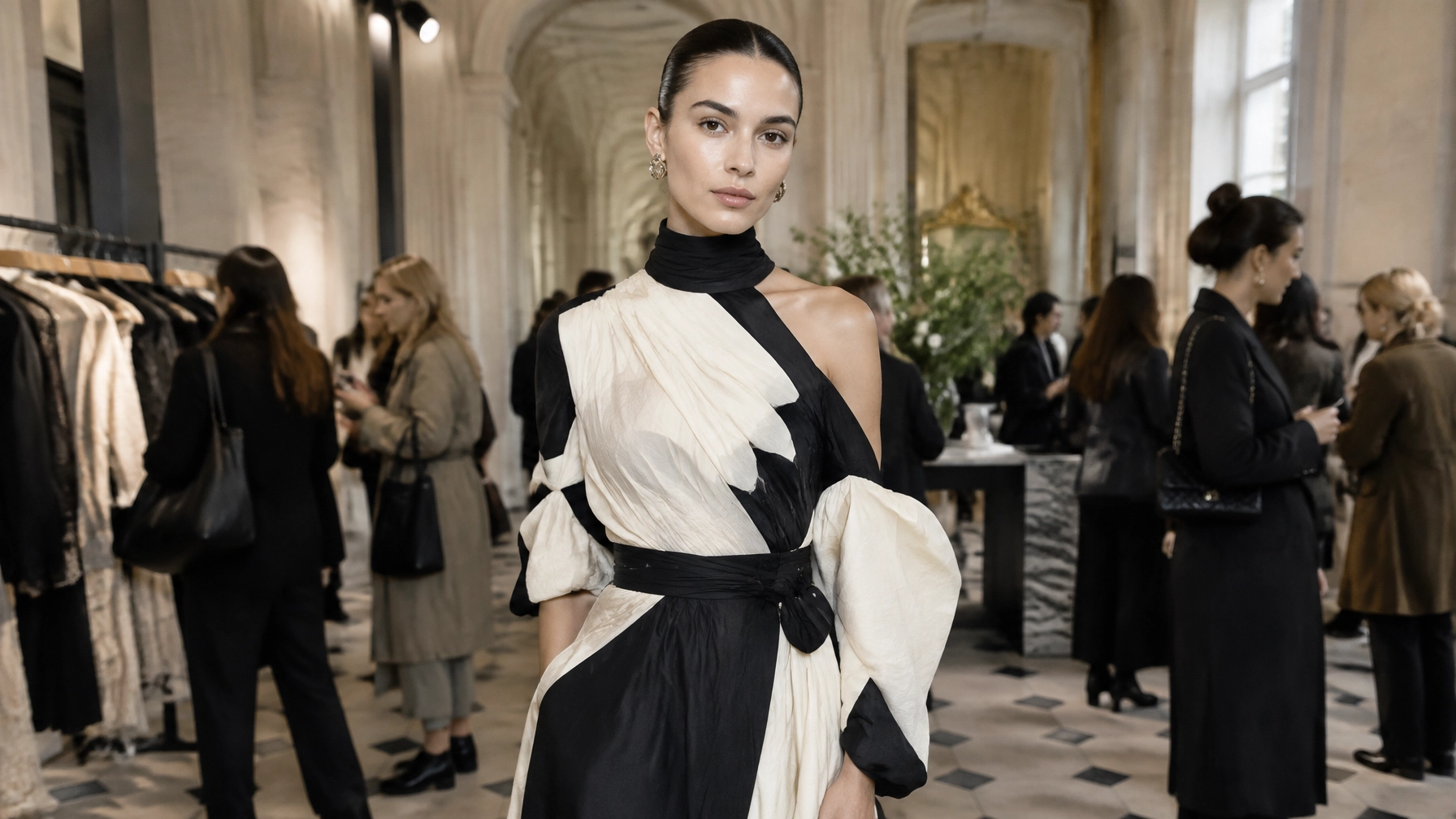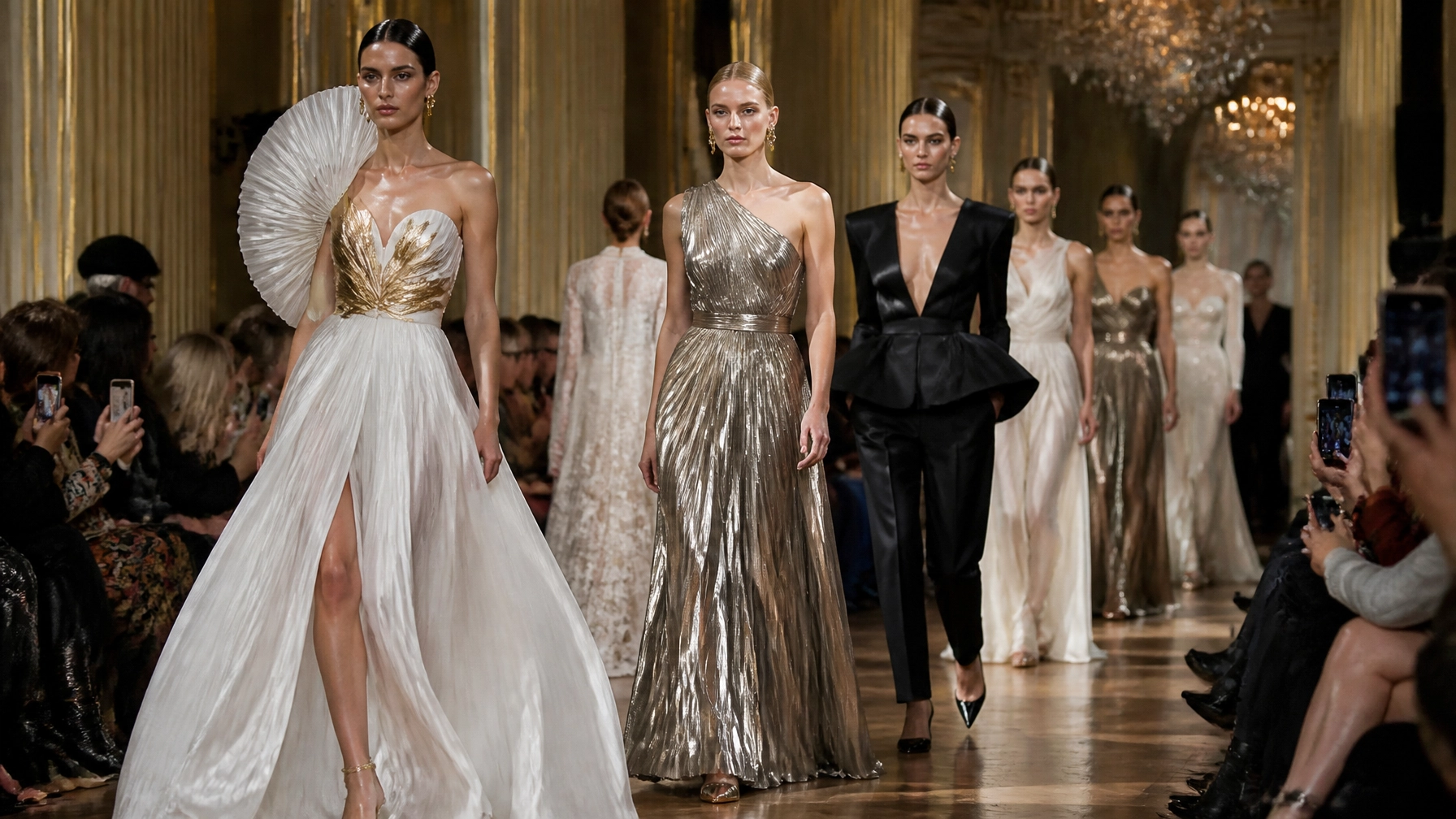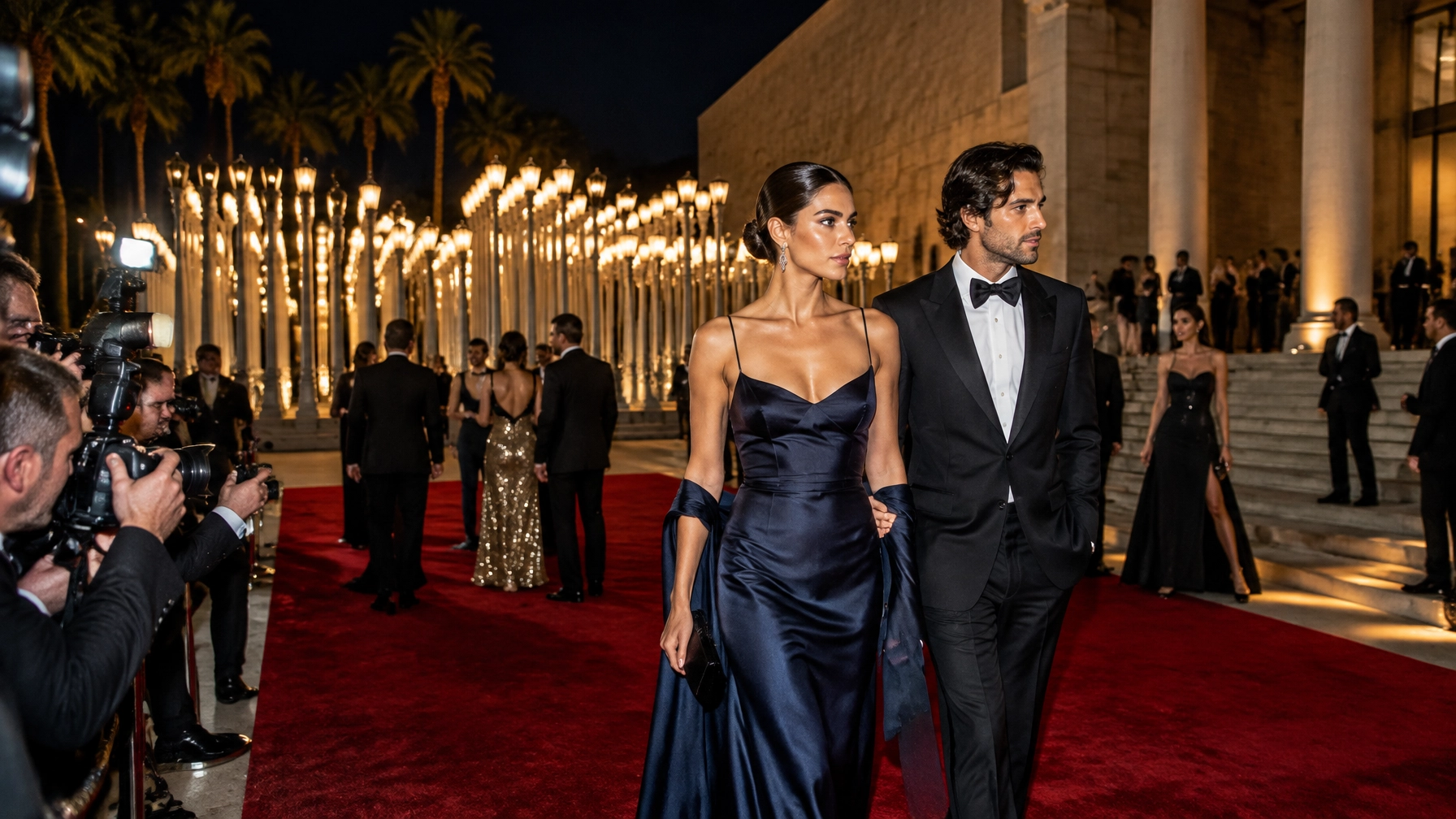
An editorial image imagining the museum-gala red carpet as a cultural runway.
On Saturday, November 7, the Los Angeles County Museum of Art brings its annual Art+Film Gala back to the city’s cultural calendar. The fifteenth edition honors artist Vija Celmins and filmmaker Denis Villeneuve, with LACMA trustee Eva Chow and actor Leonardo DiCaprio returning as co-chairs. Gucci is once again the presenting sponsor, placing the luxury house at the intersection of art, cinema and celebrity fashion style.
The event is more than a formal night out. Museum galas create a distinctive stage for luxury fashion brands: one with the visibility of a red carpet, the symbolism of a cultural institution and an audience that extends well beyond the room. At LACMA, those elements meet in a setting where what guests wear can become part of a wider story about creative influence and brand identity.
Saturday’s event arrives during a new chapter for Gucci. It is the first Art+Film Gala under the house’s current creative leadership, with Demna serving as artistic director. The question is not whether Gucci will unveil a new collection at the gala. There is no announcement of one. It is how the house’s continued support for the event, and the evening’s red-carpet presence, will reflect its evolving direction.
Why a museum gala works like a runway
A runway show presents designer collections with a clear sequence: looks, styling and a creative point of view, delivered within a controlled setting. A museum gala works differently. Its fashion story develops across arrivals, portraits and conversations, with individual appearances creating a broader picture over the course of the night.
That format gives the red carpet a particular kind of reach. A single look can travel through event photography and social platforms, while the museum setting lends the moment a cultural frame. The result is not a conventional runway presentation. It is a live, image-driven showcase where fashion meets art and film in public view.
The venue matters, too. A museum is built to preserve and interpret creative work; a gala invites guests to enter that environment for an evening. Clothing becomes part of the visual atmosphere, while the institution’s program gives the gathering a purpose beyond spectacle. Proceeds support the museum’s effort to make film more central to its curatorial programming, alongside exhibitions, acquisitions, education and screenings.
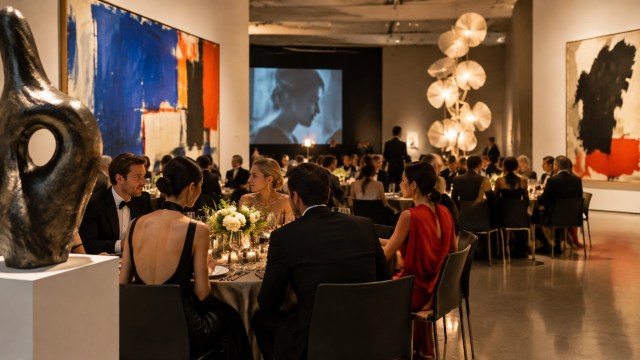
The museum setting brings fashion, art and film into the same frame.
This year’s pairing makes that intersection especially visible. Celmins is honored for work that closely observes the natural world; Villeneuve is recognized for cinematic storytelling and visual world-building. Their practices differ, but both invite sustained attention to image, scale and detail. That shared emphasis gives the gala a cultural context that can shape how its fashion is seen.
Gucci’s red-carpet history, and a change in creative direction
Gucci’s role at LACMA is long-running, but the house’s approach to gala dressing has also evolved. In 2023, Sabato De Sarno presented “Ancora Notte,” an eveningwear collection at the Art+Film Gala. The following year, “Gucci Notte” continued the format, placing formalwear within the museum’s high-profile event.
Those editions established a precedent for using the gala to bring eveningwear into a setting where fashion is encountered alongside art and cinema. They also connected the event with De Sarno’s period at Gucci. That chapter is now closed: Kering announced the end of its collaboration with De Sarno in February 2025, then appointed Demna as Gucci’s artistic director, with his tenure beginning in early July 2025.
That distinction matters this weekend. The 2023 and 2024 presentations are useful context, not evidence of a new collection debut on November 7. Under Demna, Gucci is entering the gala with a different creative voice and a familiar cultural platform. The red carpet can offer a first impression of how the house’s current identity translates to formal dressing and celebrity visibility, but the guest looks should be read as appearances, not as a declared runway collection.
Gucci’s role as presenting sponsor also gives the relationship continuity through a leadership transition. Sponsorship alone does not reveal a design strategy, but it keeps the house closely associated with an event that links fashion to an influential arts institution. For a brand in a period of creative renewal, that association carries its own significance.
The museum setting lends the partnership a different register from a conventional campaign. Instead of presenting a single, tightly directed image, a gala produces a series of public moments: varied people, different interpretations of formalwear and a setting that encourages a cultural reading of the clothes. It gives the house visibility while leaving room for the night’s art and film program to remain central.

Gala dressing is a collaborative image-making process, shaped by styling, setting and the moment of arrival.
The red-carpet economy is built on more than a single look
Celebrity fashion style is often discussed through individual outfits, but the red-carpet economy involves a wider network: designers, stylists, publicists, photographers, talent and event organizers. Each arrival becomes part of a shared image stream, where clothing can signal affiliation, creative mood and cultural relevance all at once.
Museum galas add another layer. Their imagery is attached to an institution and a cause, not only to a brand or celebrity. That connection can make the event feel more like cultural participation than a straightforward product showcase. It also raises the stakes for how fashion appears: the strongest moments tend to feel considered within the setting, rather than simply placed in front of a camera.
The format stands apart from a conventional fashion week show in another way. A runway presentation offers an edited sequence authored by a house. A gala carpet is less controlled. Attendees bring their own identities and styling choices, and the resulting story is collaborative. For Gucci, that means the evening’s visual impact will depend not on one official collection reveal, but on how the house, its guests and the event’s atmosphere come together in photographs.
Runway Fashion Collective has previously examined how a luxury house uses a cultural event to stage a creative moment in its coverage of Gucci’s Tate Modern presentation. The LACMA gala offers a different model: less a formal fashion show, more an ongoing exchange between institutional setting and red-carpet visibility. The distinction is useful when considering the larger role museum events now play for luxury fashion brands.
What to watch on Saturday
The first point of focus will be how Gucci’s current identity appears across the evening. The gala is not confirmed as a launch for a new designer collection, so the more revealing signals may be in the details: silhouettes, styling, color, the balance between house signatures and contemporary formalwear, and the range of guests who choose to wear Gucci.
The second is the relationship between fashion and setting. The Art+Film Gala brings together people from art, film, fashion and entertainment. That mix creates an opportunity for red-carpet looks to speak across different cultural audiences. The most resonant appearances may be those that feel connected to the evening’s atmosphere, rather than simply designed to dominate it.
Finally, the event’s institutional purpose remains central. LACMA’s gala supports programming that brings film further into the museum’s curatorial work and funds broader museum initiatives. The glamour is the visible layer; the fundraising and cultural mission are the foundation beneath it.

The arrival carpet places celebrity dressing within the larger atmosphere of the museum event.
On Saturday, Gucci’s sponsorship and the evening’s fashion will unfold under new creative leadership, against a history shaped by earlier gala presentations. That combination makes the event a compelling measure of how luxury brands use cultural partnerships: not simply to put clothes on a carpet, but to connect a house’s image with a setting that already carries artistic and cinematic meaning.
The red carpet is not a runway in the traditional sense. At LACMA, its strategic power lies in the way fashion, celebrity and institutional culture occupy the same frame, and in what that frame may reveal about Gucci’s next chapter.